
Waste Generated Daily: Types, Advantages, and Disadvantages
Waste Generated Daily: Types, Advantages, and Disadvantages
Every day, humans generate large amounts of waste through daily activities such as cooking, shopping, working, and traveling. The waste generated daily plays a significant role in environmental health, public hygiene, and economic systems. While waste is often seen as a problem, some forms of waste also offer benefits when managed properly. Understanding its types, advantages, and disadvantages is essential for building a sustainable future.
http://homeWhat Is Waste Generated Daily?
Waste generated daily refers to unwanted or unusable materials produced from everyday human activities. This waste can come from households, offices, industries, markets, and public spaces. As population growth and consumption increase, daily waste production continues to rise, making waste management a global concern.
Types of Waste Generated Daily
1. Household Waste
Household waste includes food scraps, packaging materials, paper, plastic, glass, and old household items. This is the most common type of waste generated daily and varies depending on lifestyle and consumption habits.
2. Organic Waste
Organic waste consists of biodegradable materials such as vegetable peels, leftover food, garden waste, and agricultural residues. This type of waste decomposes naturally and can be reused through composting.
3. Plastic Waste
Plastic waste includes bags, bottles, containers, and wrappers. It is one of the most problematic types of daily waste because it does not decompose easily and can persist in the environment for hundreds of years.
https://en.wikipedia.org/wiki/Waste_management4. Industrial and Commercial Waste
Factories, offices, shops, and restaurants generate waste such as packaging, chemicals, paper, and metal scraps. This waste often requires specialized handling.
5. Electronic Waste
Electronic waste, or e-waste, includes discarded phones, computers, batteries, and appliances. Though produced in smaller quantities daily, it contains hazardous materials that can harm the environment if not handled properly.
Advantages of Waste Generated Daily
Although waste is often viewed negatively, there are some advantages when it is managed and reused correctly.
1. Resource Recovery
Many materials found in daily waste, such as paper, metal, and glass, can be recycled and reused. Recycling reduces the need for raw material extraction and conserves natural resources.
2. Energy Generation
Organic waste and certain industrial waste can be converted into energy through processes like biogas production and waste-to-energy plants. This helps reduce dependence on fossil fuels.
3. Employment Opportunities
Waste management systems create jobs in collection, recycling, processing, and environmental management. This contributes to economic development, especially in urban areas.
4. Compost Production
Organic household waste can be converted into compost, which improves soil fertility and reduces the need for chemical fertilizers in agriculture and gardening.blog
Disadvantages of Waste Generated Daily
Despite some benefits, improper handling of daily waste leads to serious problems.
1. Environmental Pollution
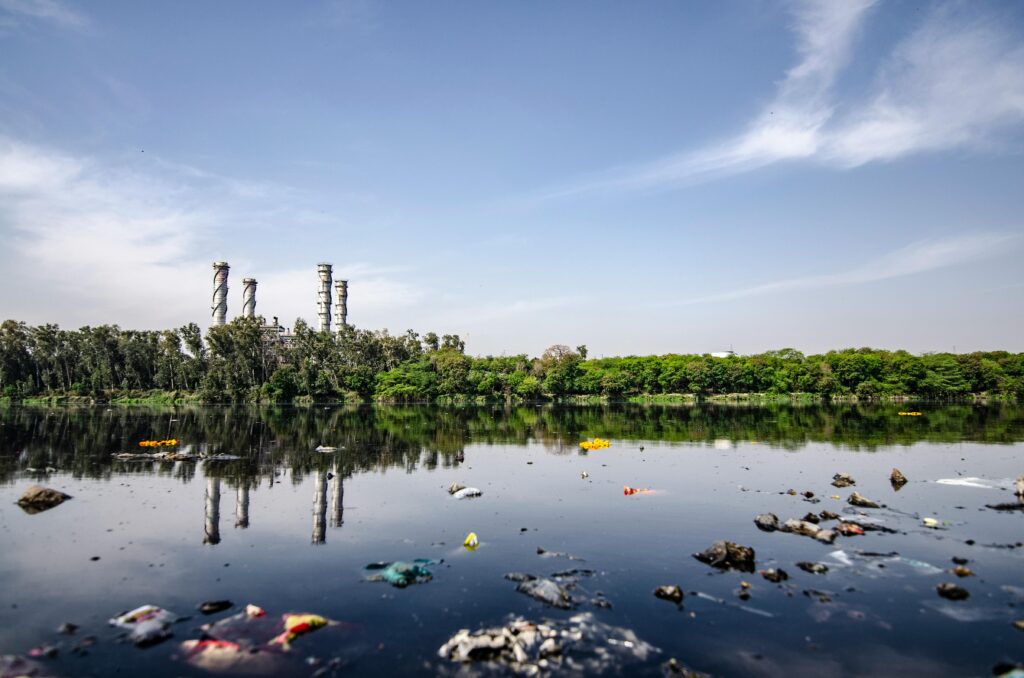
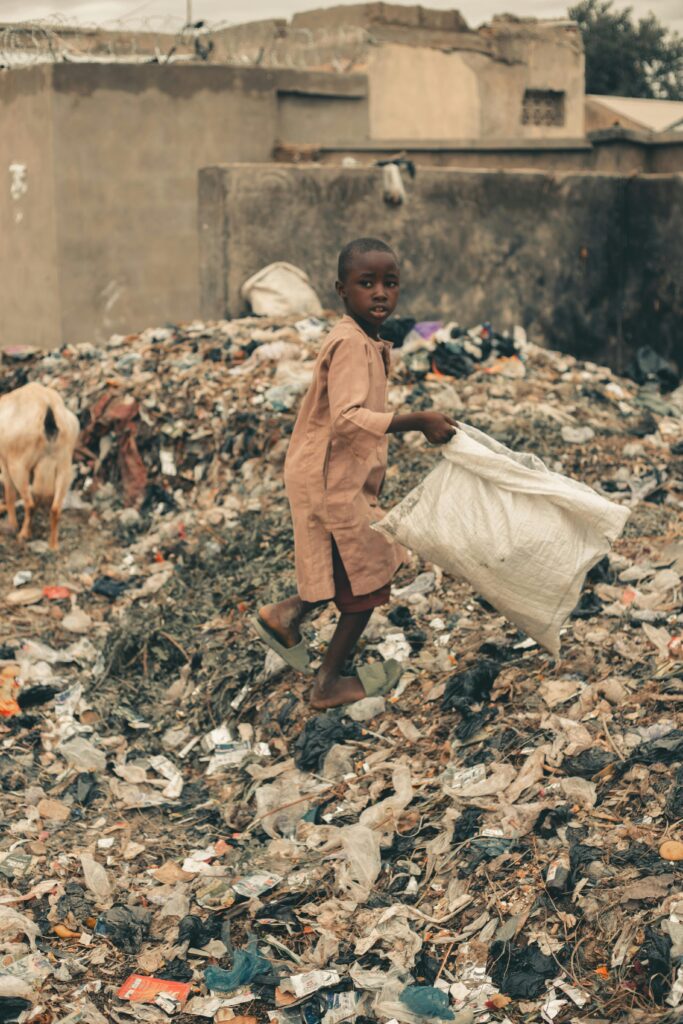
Unmanaged waste pollutes land, water, and air. Plastic waste clogs drains, contaminates oceans, and harms wildlife, while burning waste releases toxic gases.
2. Health Hazards
Accumulated waste becomes a breeding ground for bacteria, insects, and rodents. This increases the spread of diseases such as cholera, dengue, and respiratory infections.
3. Climate Impact
Decomposing organic waste in landfills releases methane, a greenhouse gas that contributes significantly to global warming and climate change.
4. Resource Wastage
When recyclable materials are discarded instead of reused, valuable resources are lost. This increases the demand for raw materials and accelerates environmental degradation.
5. Aesthetic and Social Issues
Poor waste management affects the cleanliness of cities and public spaces, reducing quality of life and negatively impacting tourism and community well-being.
Importance of Proper Waste Management
Managing the waste generated daily is crucial for environmental protection and public health. Simple practices such as waste segregation, recycling, composting, and reducing single-use products can significantly lower the negative impact of waste.
Governments, communities, and individuals all play a role in improving waste management systems. Awareness and responsible behavior are key to minimizing waste-related problems.
Conclusion
The waste generated daily is an unavoidable part of modern life, but its impact depends on how it is managed. While waste offers advantages such as resource recovery and energy production, its disadvantages—including pollution, health risks, and climate impact—are far greater when ignored. By adopting sustainable waste management practices, society can reduce environmental damage and turn waste into a valuable resource rather than a growing threat.
Leave a Reply